Exa Lands $250M to Scale Agentic Search
Exa raised $250M Series C led by Andreessen Horowitz to scale infrastructure for AI agent information retrieval.
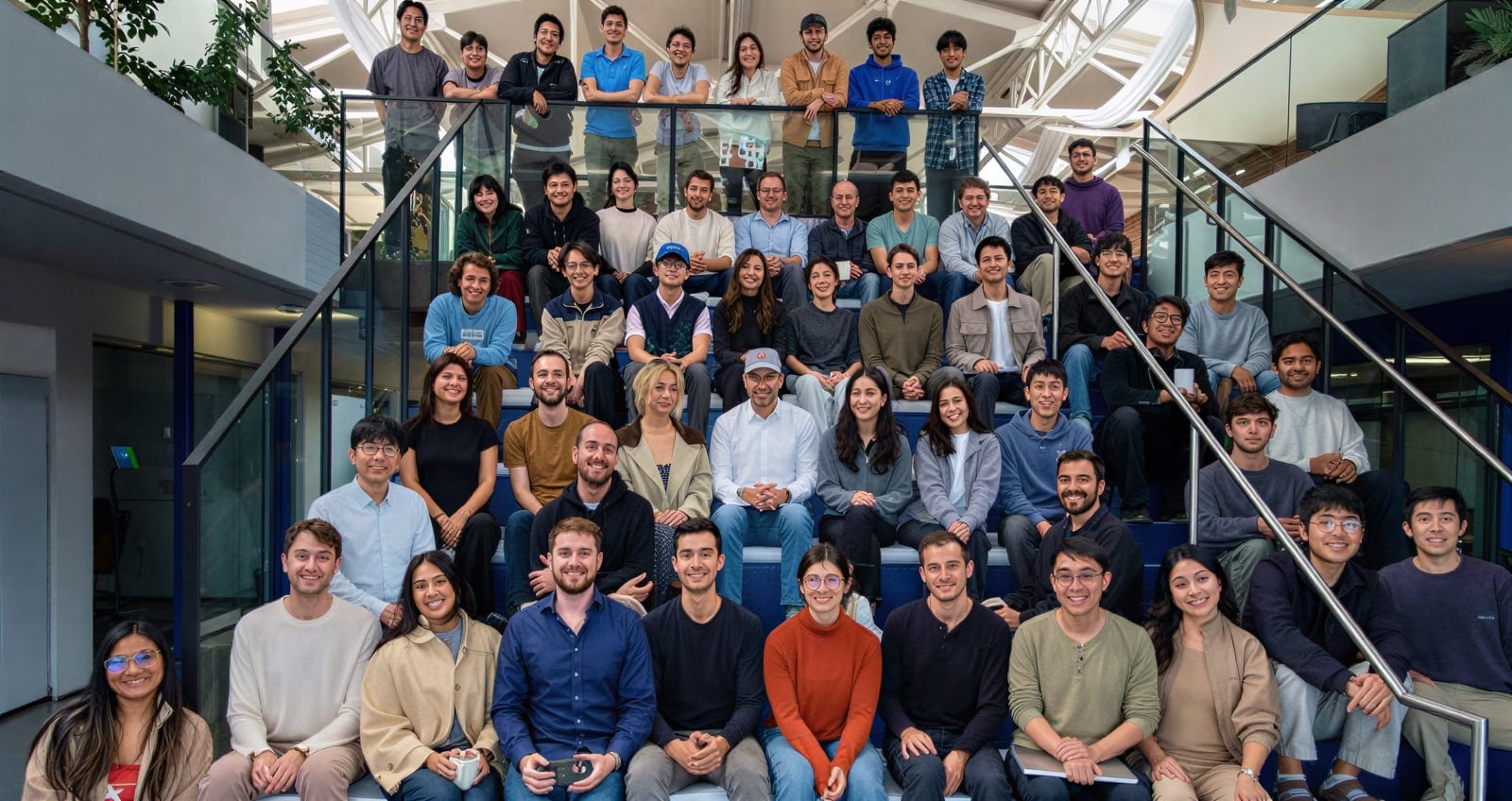
The big picture: Exa announced a $250M Series C at a $2.2B valuation, positioning itself as a leader in AI agent search, just after Google declared its traditional search box obsolete.
Why it matters:
- Shifting Paradigm: The raise signals that AI agents have surpassed humans as the web’s primary information consumers, rendering the existing search stack inadequate.
- New Requirements: AI agents demand accurate, contextually rich information at machine speed, for queries far more complex than traditional keywords.
- Market Validation: Google’s own I/O 2026 announcement confirmed the rapid growth of AI Mode queries, validating the agentic search market Exa targets.
How it works:
- Proprietary Indexing: Exa built its own models from scratch, indexing over 500 billion URLs, a distinct approach from competitors that reformat Google or Bing results.
- Semantic Retrieval: Their model predicts the next link, enabling comprehensive, semantic retrieval at sub-200 millisecond speeds for real-time agents.
- Strategic Investment: The capital will fund next-generation retrieval model training, infrastructure scaling to handle hundreds of thousands of searches per second, and a global go-to-market expansion.
The catch: Exa faces intense competition from established players like Google, which is integrating AI search into its own ecosystem, and specialized providers like Perplexity. The acquisition of Tavily by Nebius also highlights the trend of consolidation, potentially limiting independent options. Exa’s bet on independent infrastructure for AI agents challenges the dominant paradigm, but success hinges on convincing developers that an unbundled, purpose-built solution is superior to integrated offerings from tech giants.
Key Facts
Funding Weekly
Every AI funding round we reported last week: the totals, the biggest deals and what they add up to. Weekly · Tuesdays.