Gradium Secures $100M to Scale Voice AI Infrastructure
Gradium raised $100M in an extended Seed round with NVIDIA joining to scale real-time voice infrastructure for enterprises.
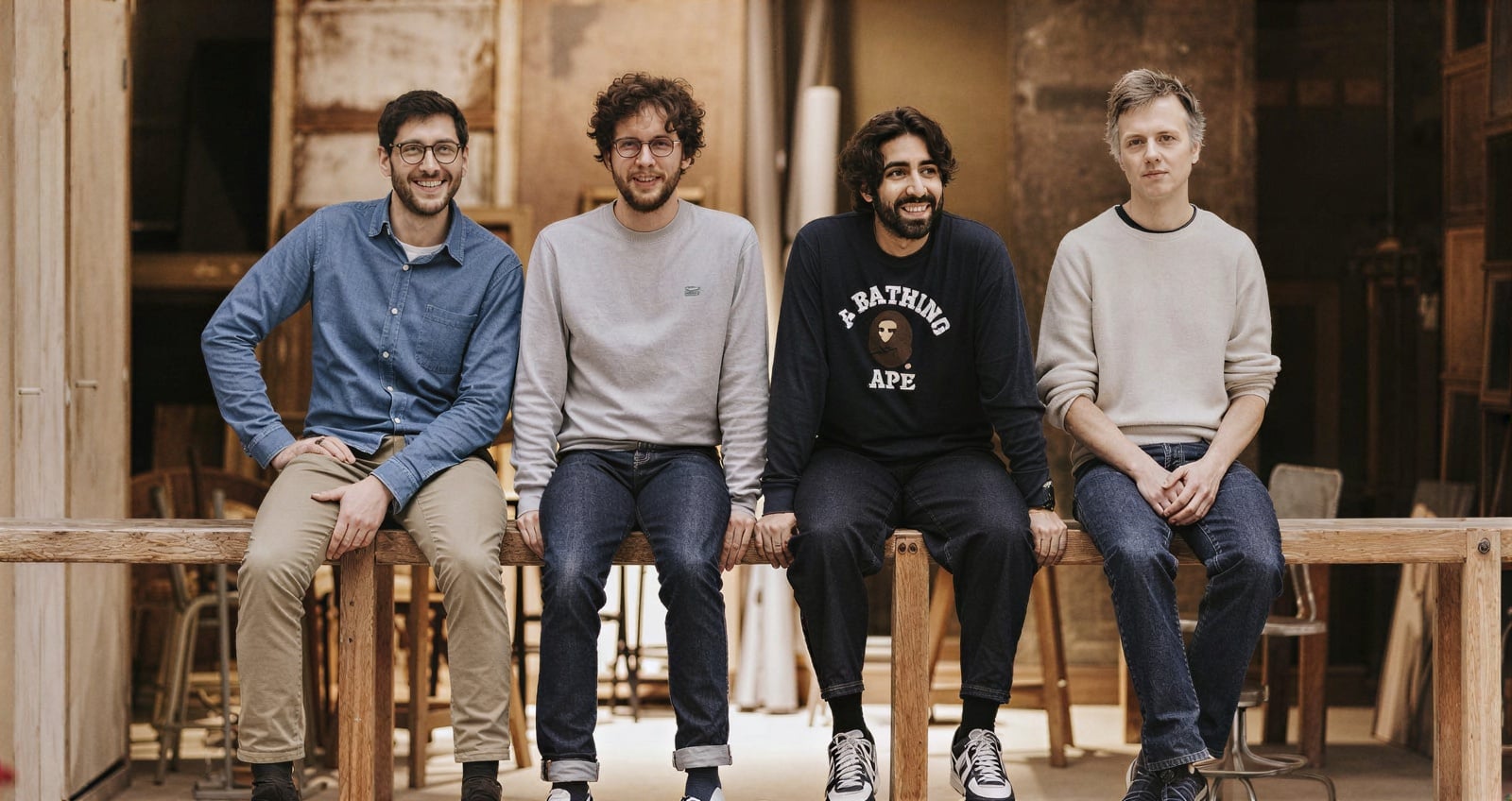
The big picture: Gradium, the Paris-based voice AI startup spun out of research lab Kyutai, has extended its seed round to $100 million with NVIDIA joining as a new investor, seven months after the company launched from stealth. The company’s co-founders built foundational research papers that underpin most modern voice AI systems, including those by OpenAI. Gradium aims to commercialize this research, differentiating itself from competitors.
Why it matters:
- Foundational Research: Gradium’s four co-founders collectively built EnCodec, SoundStream, and Moshi, which are core research papers for modern voice AI systems, giving the company a deep technical advantage.
- Market Opportunity: The global AI voice generator market is valued at $7.7 billion in 2026 and is projected to reach $20.7 billion by 2031, at a compound annual growth rate of 30.7%.
- Strategic Backing: NVIDIA’s involvement signals a strategy to own compute relationships across the voice AI stack, having also backed ElevenLabs, rather than picking a single winner.
How it works:
- Real-time Infrastructure: Gradium builds real-time voice infrastructure for developers and enterprises, including streaming speech-to-text, expressive text-to-speech, and semantic turn detection.
- Advanced Models: The company offers on-device models that run without cloud connectivity and Gradbot, an open-source framework for building production voice agents.
- Multilingual Translation: Its newest product, Gradium Translate, converts speech to speech across five languages in real time, already in use by clients like Renault for customer-facing applications.
The catch: Gradium enters a competitive field dominated by well-funded players like ElevenLabs (valued at $11B+) and LiveKit (unicorn status), which have established brand recognition and enterprise relationships. While Gradium boasts unparalleled research depth, its ability to translate this into a dominant sales motion against entrenched competitors, particularly with its new San Francisco Bay Area office, remains a key challenge. The move to the Bay Area is a strategic concession for a lab initially focused on a European open-source alternative.
Key Facts
Funding Weekly
Every AI funding round we reported last week: the totals, the biggest deals and what they add up to. Weekly · Tuesdays.