The Signal
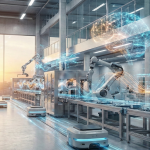
Techstars has fundamentally realigned its investment thesis for the 2026 cycle, with its latest portfolio data showing a structural surge in smart manufacturing and robotics. This tactical shift marks the cooling of general-purpose SaaS and the rise of “Physical AI” as the primary engine for venture-scale industrial growth.
The Backdrop
The move toward atoms is a direct response to the saturation of digital-only software tools.
- Moat Erosion: Generative AI has turned horizontal SaaS into a commodity. Techstars is now hunting for “Hard-Tech” startups that control physical workflows and proprietary industrial data.
- Edge Compute Proliferation: The rapid scaling of the NVIDIA Blackwell robotics platform allows Techstars-backed teams to deploy sophisticated AI agents directly on the factory floor.
- Hardware Deflation: Following the Tesla AI5 multi-foundry strategy, the cost of sensors and actuators has dropped, enabling the “lean hardware” model Techstars favors.
Why it matters
Techstars’ 2026 realignment defines the “Industrial Pivot” of global venture capital.
- From Efficiency to Production: Capital is exiting “middle-management software” for AI that performs physical tasks. This validates the technology convergence seen in models like the 1XWM video-to-action pipeline.
- Sovereign Resilience: As reshoring becomes a national security priority in the US and EU, Techstars is positioning its portfolio to provide the “operating system” for next-gen automated factories.
- High-Friction Defensibility: Unlike SaaS, industrial AI requires deep integration with physical machines, creating a massive barrier to entry for generic AI competitors.
The Friction
- The CAPEX Wall: Manufacturing startups face hardware costs that traditional Techstars-sized checks struggle to cover, increasing the risk of “funding gaps.”
- Enterprise Sales Cycles: The 18-month procurement cycles of heavy industry clash with the rapid-growth expectations of accelerator-backed startups.
- Protocol Integration: Success depends on bridging the gap between modern AI and legacy industrial protocols like PLC and OPC UA.
What to watch
- POC-to-Production Ratios: Whether these startups can convert Fortune 500 factory pilots into long-term commercial contracts by late 2026.
- M&A Exit Paths: Watch for industrial giants like Siemens or ABB to start acquiring Techstars’ “Industries of the Future” cohorts as a shortcut to their own AI transformations.