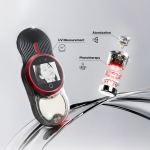
The big picture: PANDAG is debuting its LiDAR equipped G1 mower at CES 2026, targeting the structural labor shortage in commercial landscaping. By integrating RTK and AI Vision, the G1 enables fully autonomous maintenance for sites up to 12 acres per day, effectively moving outdoor labor from manual operation to robotic fleet management.
Why it matters: This validates the transition of AI into Heavy Physical Environments. PANDAG is building a modular autonomous hub for solar fields and industrial parks, where reliability in unmapped, irregular terrain is the primary competitive moat for the next decade of site maintenance.
Between the lines: Unlike consumer grade mowers, the G1 is designed for extreme durability. However, this high level of autonomy introduces a hardware-software reliability debt: the system must maintain near perfect intent recognition to avoid costly manual interventions in remote commercial sites.
The bottom line: Whether PANDAG’s modular approach can scale across diverse climates will determine if autonomous robotics can move into a universal outdoor utility standard. Success depends on navigating the unpredictable liability of fully autonomous operations in semi-public spaces.
Intelligence Notes
- Multi Sensor Redundancy: The G1 utilizes a triple redundancy stack (RTK + LiDAR + Vision) to maintain accuracy during signal interruptions, a critical prerequisite for maintenance near high-value infrastructure.
- Modular Utility Platform: The introduction of trimmer and spraying modules transforms the G1 into a flexible industrial asset, allowing operators to amortize hardware costs across seasonal tasks.
- The Labor Decoupling Risk: Efficiency gains are sensitive to the uptime of 4G/5G connectivity and the long-term durability of sensors exposed to the debris of heavy commercial mowing.